
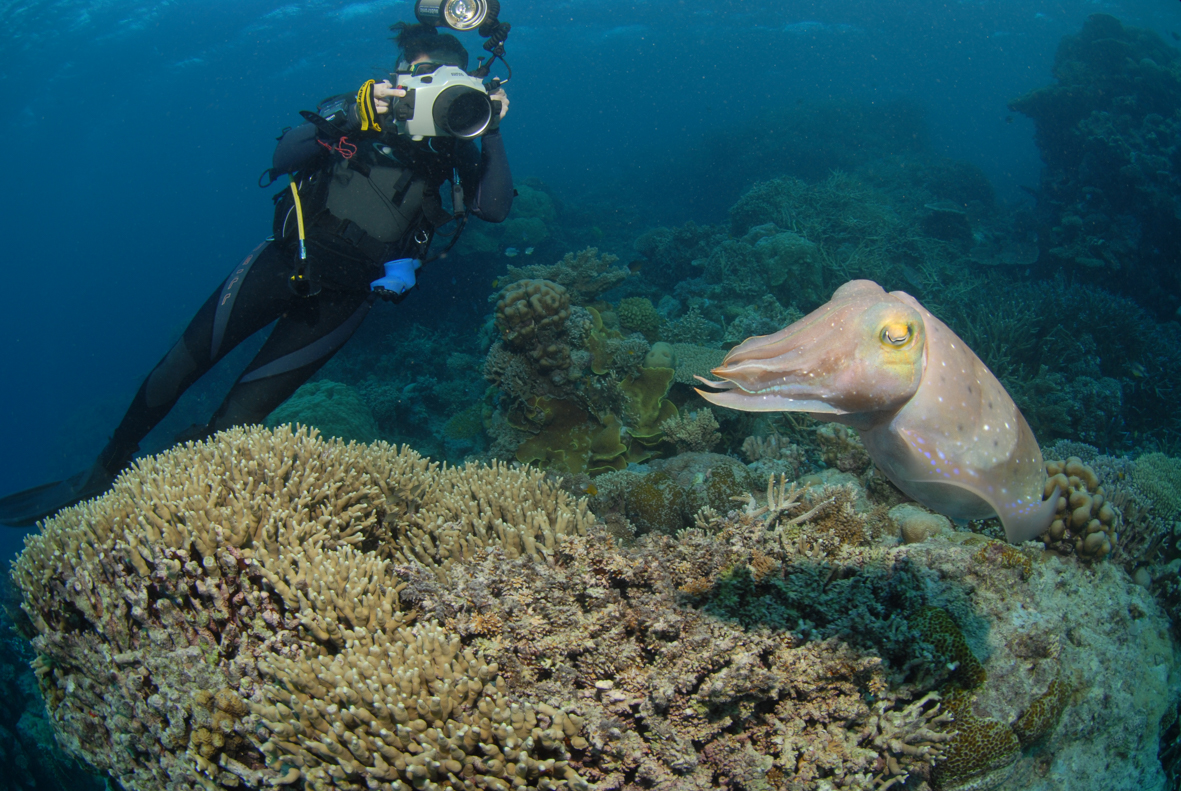
How To Dive Australia’s Great Barrier Reef
Text by Jeremy Cuff/www.ja-universe.com
Photography by Jeremy & Amanda Cuff/www.ja-universe.com
The Great Barrier Reef in Eastern Australia is a global icon of travel, attracting a constant stream of visitors from around the world. I remember as a boy watching TV programmes about the reef back in the ‘70’s, when the area was much less known and diving was perhaps more associated with exploration. Since then, increased infrastructure has opened up a wide range of possibilities for the dive traveller to consider…
The first thing to understand about the Great Barrier Reef is that it’s huge. In fact, it isn’t one single reef, but a series of nearly 3,000 individual reefs – the exact number depends on which book or website you read but I was quoted 2,904 by one dive professional. It stretches from Lady Elliot Island in the south to the northern tip of the remote Cape York Peninsula close to Papua New Guinea, a huge distance of more than 1,600 miles. In recognition of its global importance, UNESCO designated the Great Barrier Reef as a World Heritage Site in 1981, and the entire reef is managed as a conservation area.
There’s plenty of options for diving the “GBR”, ranging from day boat trips, island resort visits with local diving options, to short liveaboards, and also longer liveaboards that reach further flung parts of the reef and remote areas out in the Coral Sea. It’s a case of picking the right kind of trip to match available time, geography, budgets, diving experience, interest levels and expectations.
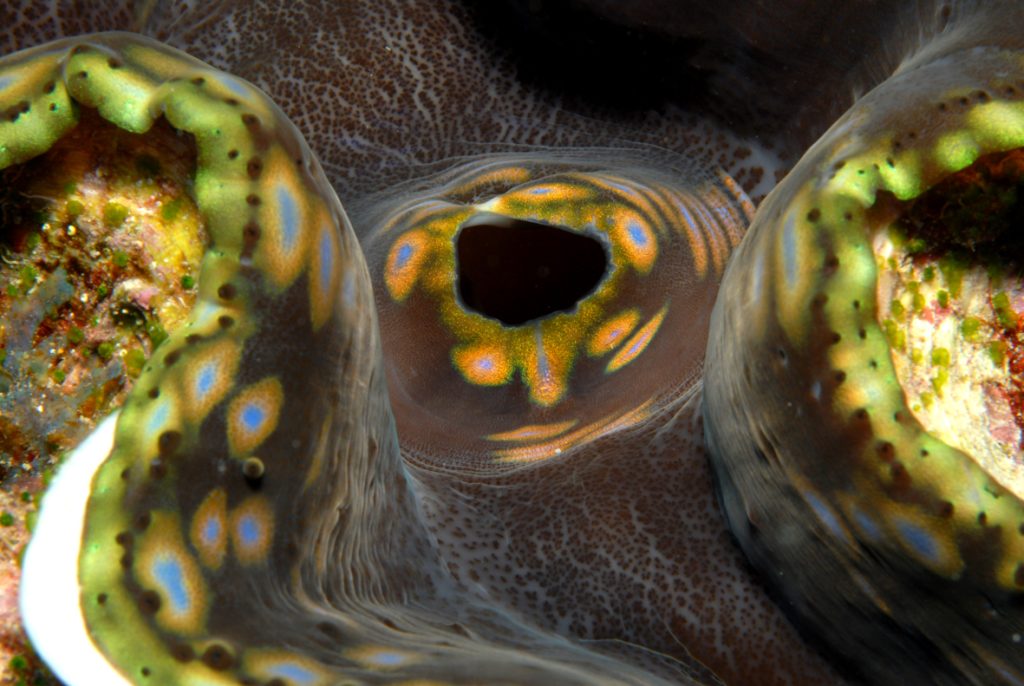
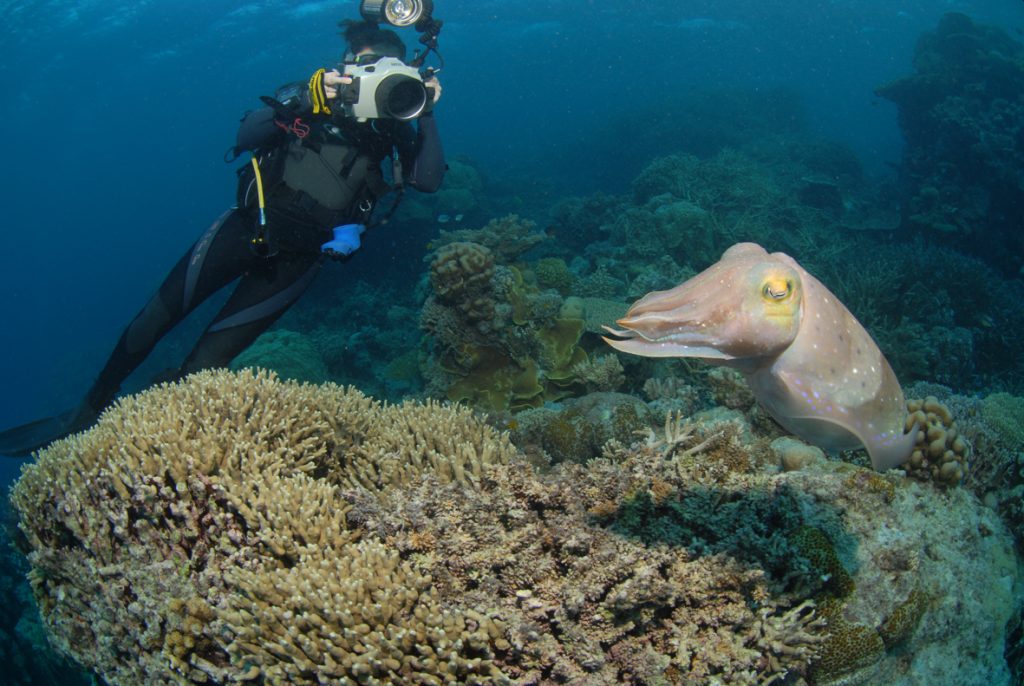
DAY BOATS
In the north of Queensland, the reef is closer to the coast, so it’s much easier to reach for day trips from the tropical hub city of Cairns and Port Douglas, where they’re big business and a major reason why travellers visit the area. After all, it’s the “world’s most famous reef” and features on many peoples “must do in my lifetime” lists.
The day boats (such as Silverseries vessels) operate every day and are slickly run, executed with an almost military precision based on strict departure times to allow enough time out on the reef, where it’s usually possible to do three dives.
For divers and snorkellers with little time or a budget that doesn’t stretch to liveaboards, or who perhaps find liveaboards too intensive, these trips are ideal. Inexperienced divers will certainly find these trips enjoyable, reassuring and within “comfort zones” as all the dives are guided, combined with the opportunity to see plenty.
Families can also enjoy a nice trip to the reef on these day trips, as young children and non-diving “grown-ups” can join the snorkel groups for what in some cases will be a life changing experience, and power a lifelong diving obsession. For diving parents, you can mix and match by doing one or two dives and then joining the kids for the snorkelling.
Experienced and fanatical divers like myself, who prefer to dive at a snail’s pace (because of the photography aspect of what I do), may find these trips not quite what they’re looking for, but that’s a personal thing, and not a criticism of the way the day boat trips are run. It’s a case of horses for courses, and it’s up to the prospective visitor to choose the type of diving experience that best suits them.
If you want a day out on the Great Barrier Reef, there’s no better place than Cairns or Port Douglas for that dream to come true, or perhaps try it from Magnetic Island, near Townsville (which I’ve not done).
…and Nights Out, too!
It’s also possible to do night dive trips to the reef from Cairns, departing late afternoons. We jokingly referred to it as the “Night Day Boat” and the “Day Night Boat” and it’s a different twist on the regular day trips.
ISLAND RESORTS
For those with more time (and perhaps budget), there are various options to stay at island resorts on or near the Great Barrier Reef system (as opposed to the “mainland”), from Lady Elliot Island in the south, to Lizard Island in the north. Some of these resorts offer guests diving options to local sites on day boats.
We chose to visit Lady Elliot Island, which is located at the very southern tip of the “GBR”.
This island is an “eco resort” and surpassed our expectations in terms of the whole experience; excellent diving, nesting and hatching turtles, teeming birdlife combined with simple, back to nature living. It had that indefinable “wow factor”.
In three days of diving we logged manta rays (Lady Elliot is a renowned manta haunt), eagle rays, shovelnose rays, bull rays, reef sharks, leopard sharks, batfish, schooling jacks and barracuda, and a lot of turtles. We didn’t see any dolphins during our stay but they are regular visitors, and there’s also the seasonal spectacle of migrating humpback whales.
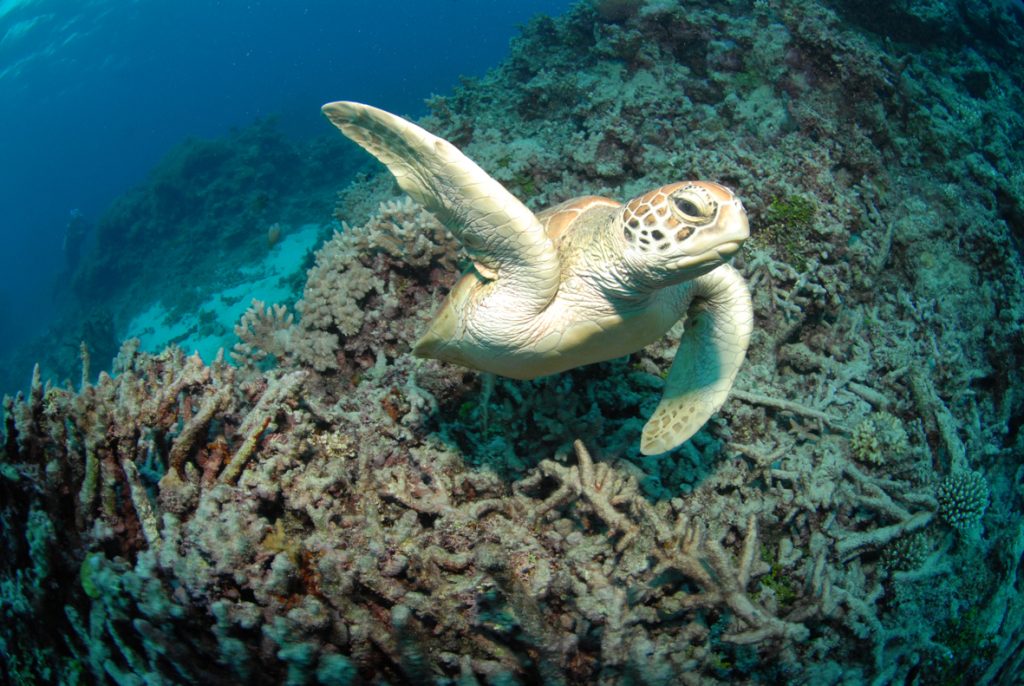
Turtles are really common around the island. Our visit coincided with the end of the nesting season and slap bang in the middle of the hatching season. If hatchlings are discovered on the island in the day, you are encouraged to hand them to staff so that they can be released at night, to give them a better chance of survival. We were fortunate enough to witness a turtle laying eggs at the end of the airstrip. There can’t be many places where turtles are a hazard to aviation!
Although the price might be preventative for some, Lady Elliot is a great place for divers with families. We took our young son Zac, introducing him to snorkeling for the first time. The reefs, birds, turtles and beachcombing possibilities are highly educational and there’s also a swimming pool and play area.
Other “GBR” islands to check out include (but aren’t limited to) Heron Island, Lady Musgrave Island and the Whitsunday Islands, where various diving options exist.
SHORT LIVEABOARDS
If you look around at some of the liveaboard options these days, you’ll find that the majority of them only offer week long trips. That’s fine if you’ve got the time and the budget, but if you’re looking for shorter trips, it’s not easy to find something that fits the bill. As the Great Barrier Reef is such a draw, Pro Dive in Cairns offer a unique niche in dive liveaboards; a 2-night, 3-day itinerary.
Effectively, they’re positioned between the day boats and longer liveaboard trips and are so popular that you can choose any departure day except Tuesday, with three essentially identical boats in action at any one time. They’re a great way to experience the world’s biggest underwater reef system.
These trips are ideal for divers with little time, or a budget that doesn’t stretch to longer liveaboards. Inexperienced divers will certainly find these trips enjoyable and a step forward towards more challenging diving. They’re also very popular for divers doing their PADI Open Water and Advanced courses, which are often run onboard. It’s a nice way to get qualified. For the more experienced divers, the good bit is that buddy pairs can do their own thing (within reason, of course) with a maximum of 11 dives being possible.
Families can also enjoy these trips, as children are accepted onboard (unlike the majority of liveaboards), though it’s unlikely that the crew will be able to organise any special activities due to the number of passengers.
In summary, they’re ideal for inexperienced divers looking for a bit of an adventure and a first liveaboard, and fine for experienced divers. Basically, it’s a good all-round dive trip.
LONGER LIVEABOARDS
At the “higher end” of the scale, and for those wanting to visit some of the more remote areas of the Great Barrier Reef and Coral Sea in the north, there are liveaboard options such as those offered by the Spirit of Freedom and Mike Ball Dive Expeditions, both experienced operators in what are very “off the grid” locations.
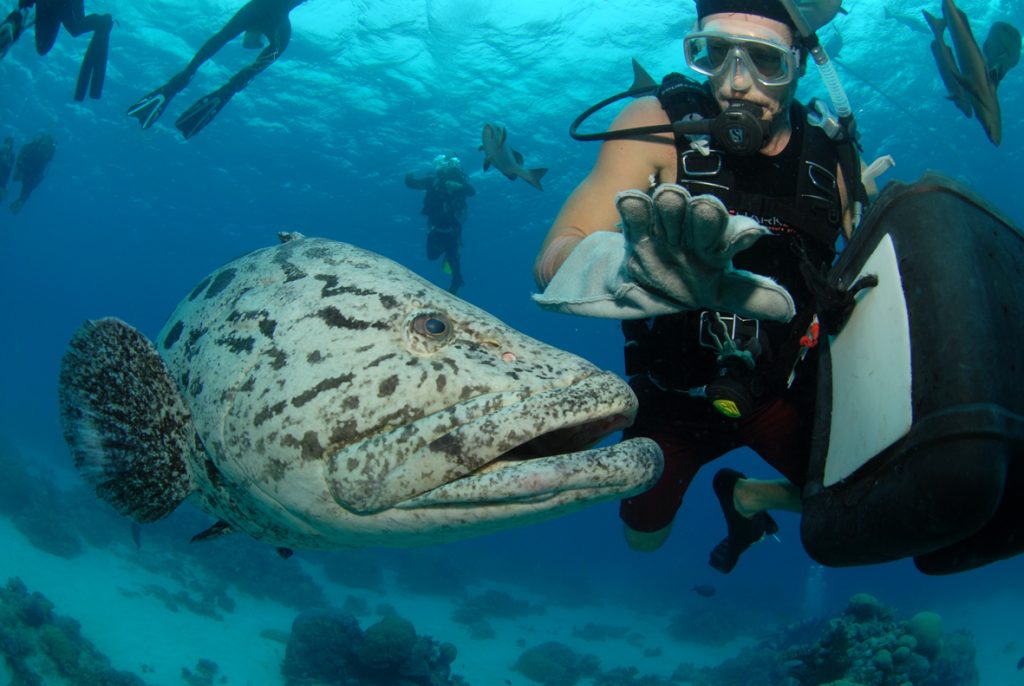
Generally, two itineraries are offered in the form of the unique “Fly Dive” charters, either departing Cairns for the voyage to Lizard Island, (visiting Cod Hole and the Ribbon Reefs) after which guests fly back to Cairns at low level. Alternatively, you can fly up to Lizard Island to join a trip visiting the remote Osprey Reef in the Coral Sea before heading back down to Cairns via the Great Barrier Reef. There’s also an option to stay onboard for the full voyage, combining both trips.
Like most dive “hotspots”, the “GBR” offers seasonal spectacles, with liveaboard operators creating special trips to coincide with these events, and to cater for special interests such as whale encounters (minke and humpback), shark encounters and even nautilus sightings. They also offer occasional longer “exploratory trips” to rarely visited areas in the far north, towards Papua New Guinea, which I’ve vowed to do one day.
WHILST IN THE AREA
Why not dive the iconic Wreck of the SS Yongala – it’s accessible from operators based in Townsville/Magnetic Island and from the tiny settlement of Alva Beach with Yongala Dive.