
Text by Jeremy Cuff/www.ja-universe.com
Photography by Jeremy & Amanda Cuff/www.ja-universe.com
The SS Yongala is a British built steamship that spent several successful years plying lucrative trade routes in Australia. In March 1911, on a voyage from Sydney to Cairns, her luck came to a tragic end, succumbing to a cyclone off Cape Bowling Green. The ship is sometimes referred to as “Townsville’s Titanic” and is Australia’s best known maritime disaster.
The final resting place of the Yongala remained a mystery for many years until a “wreck shaped object” was discovered in the 1940’s, with positive identification being made in the 1950’s. It has since become one of Australia’s best known dives.
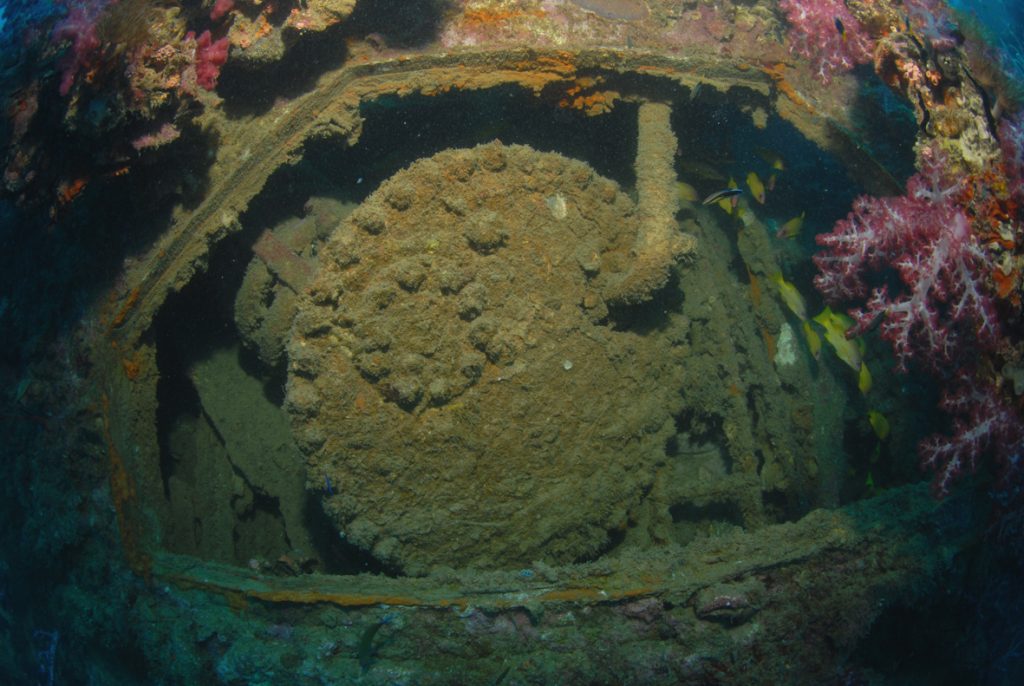
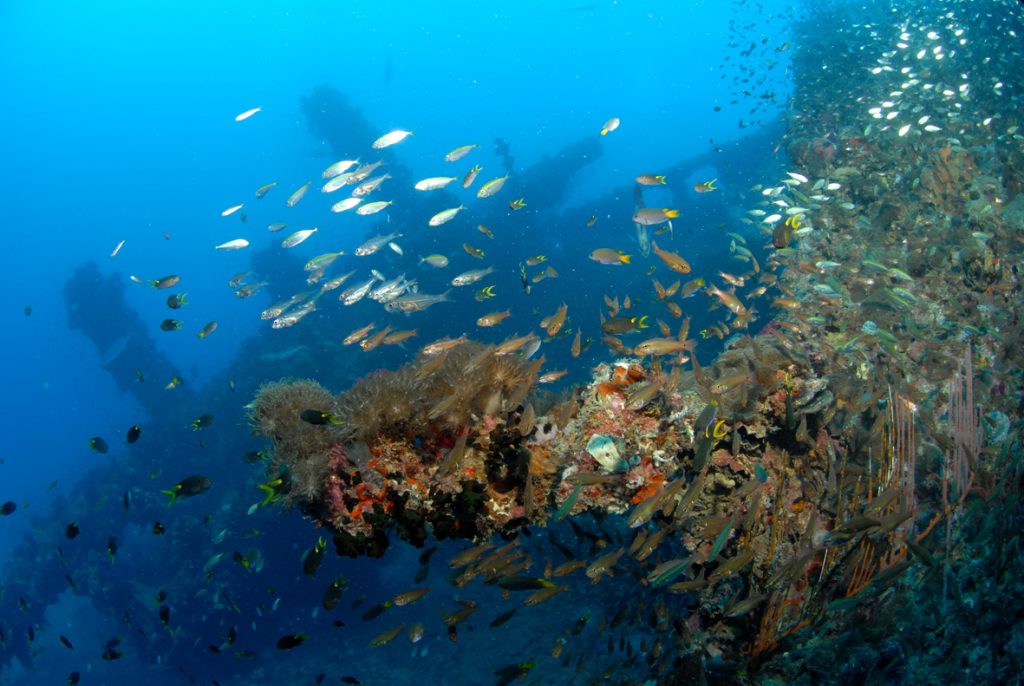
It’s remarkably well preserved and rests on sand in 28 metres of water, with shallowest part of the wreck at 14 metres. Currents can often be strong and the visibility around the wreck is extremely variable. If you get 10-15 metres of visibility, consider yourself lucky.
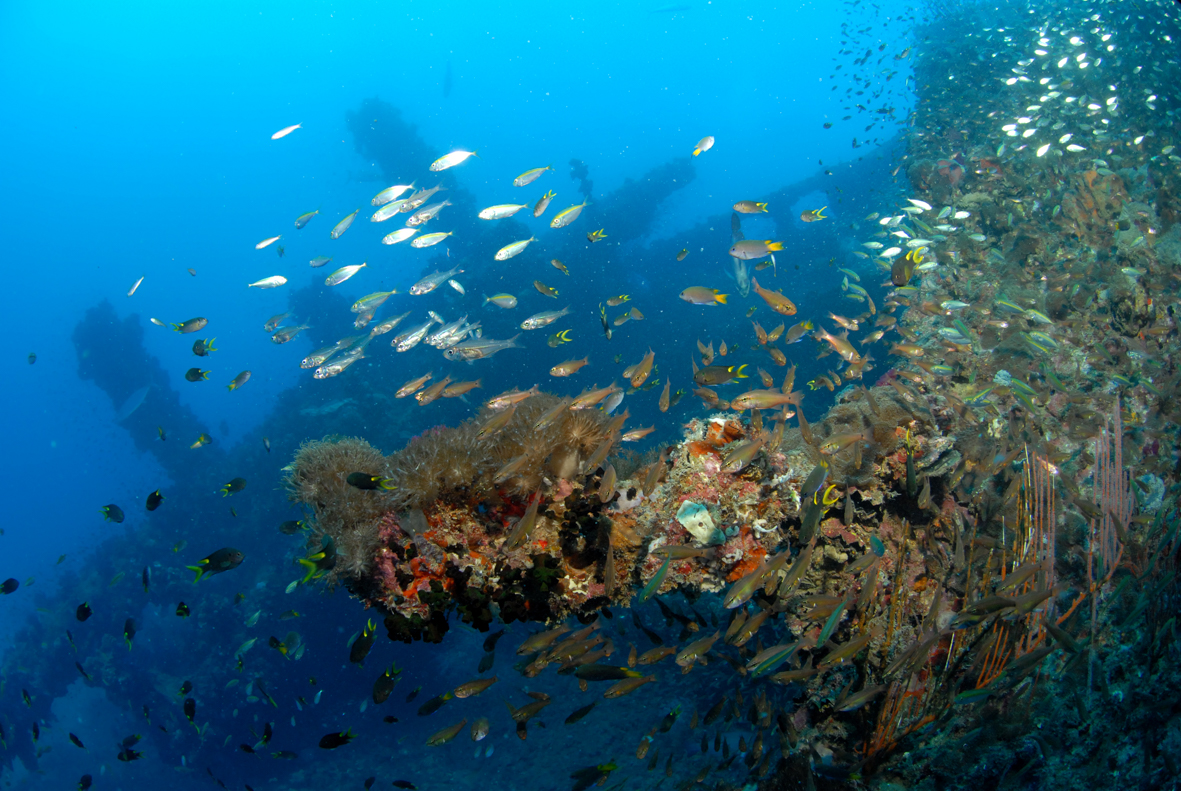
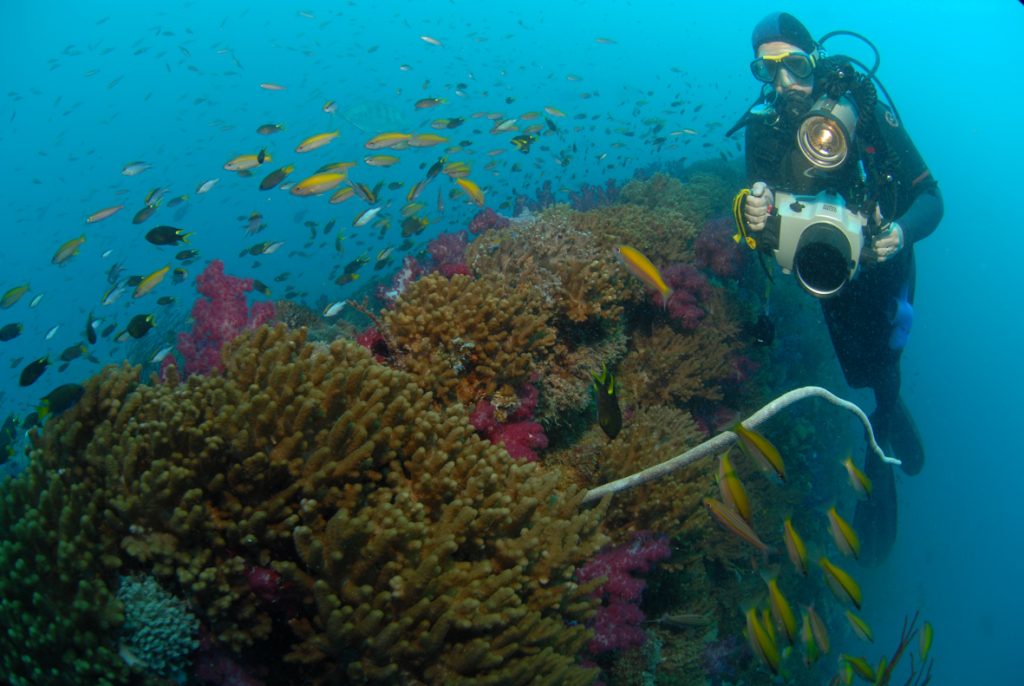
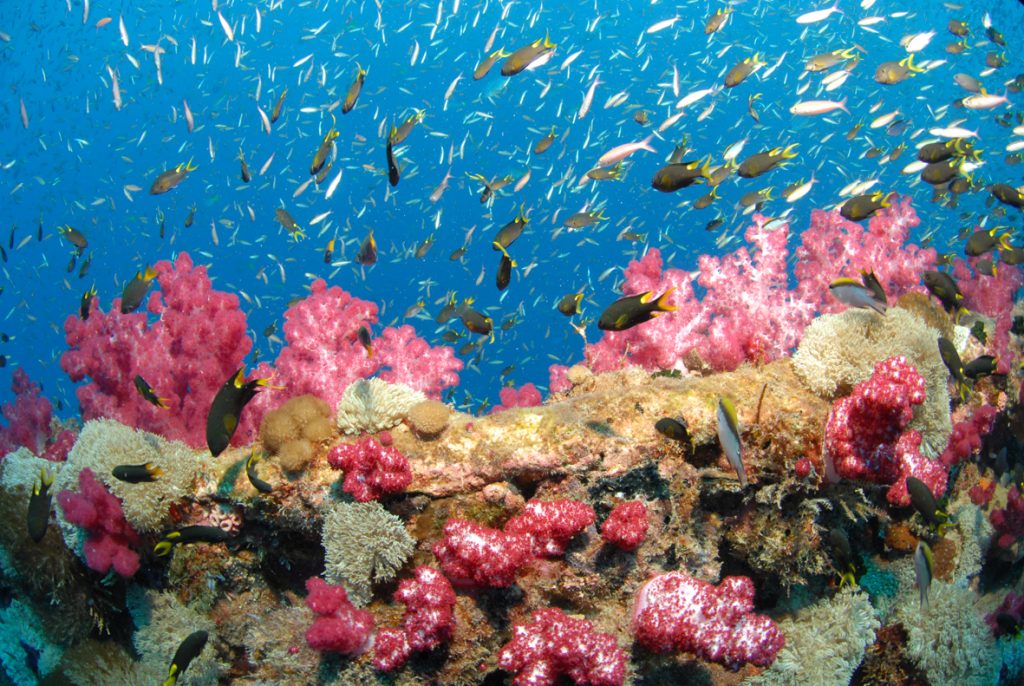
The amount of life that has colonised the wreck is truly astonishing. Corals, sponges and anemones are so prolific that it’s easy to forget that you’re diving on a wreck. At times, the surface of the Yongala seems to move, as carpets of baitfish react in unison to real or imaginary threats.
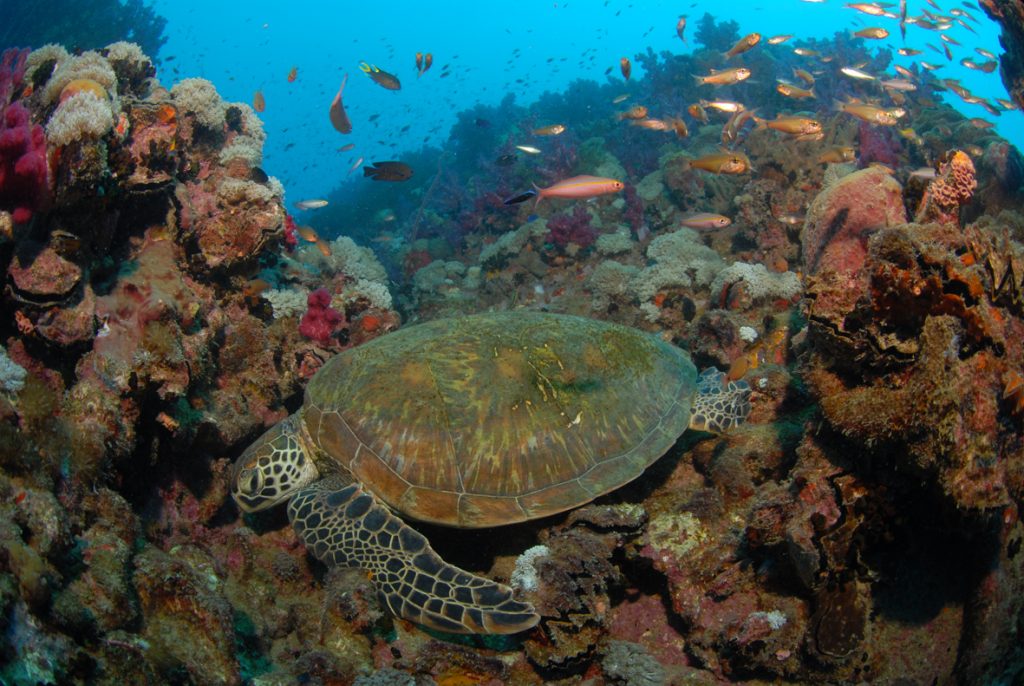
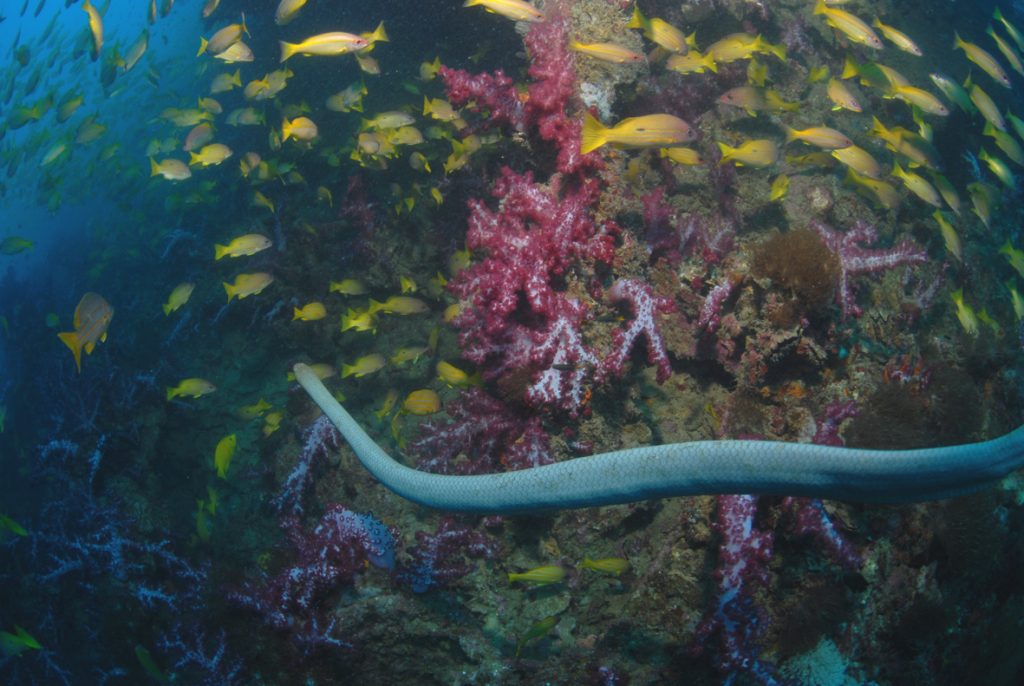
This profusion attracts an amazing concentration of larger predators. Most divers can expect to see batfish, jacks, Maori wrasse, stingrays, barracuda, turtles, olive sea snakes and gigantic Queensland groupers. The more fortunate might encounter eagle rays, mantas, several species of shark and dolphins. There’s even a report of a humpback whale that cruised past the wreck on one occasion!