

Text by Jeremy Cuff/www.ja-universe.com
Photography by Jeremy & Amanda Cuff/www.ja-universe.com
The Caribbean is a general area bounded by the Gulf of Mexico, the East coast of Central America, the North coast of South America and the Atlantic Ocean to the East. To be pedantic, some of the destinations covered in this feature fall outside of the Caribbean, but are usually classified as “Caribbean” in most marketing of dive holidays (the Bahamas, Florida Keys and the Turks & Caicos Islands). These days, there’s a lot of choice for all levels of diving, with good options for the occasional holiday diver, the discerning naturalist or photographer or the deep wreck and tech specialist. Though by no means comprehensive in coverage, this overview paints a picture of some of the possibilities..
The Caribbean area covers over a million square miles, and more if you choose to include neighbouring territories such as the Bahamas, the Turks & Caicos Islands, Florida Keys and the Dry Tortugas. It’s a very diverse area which includes the large arc of islands bordering the Atlantic stretching from the north and east of Venezuela all the way to Cuba, and also, a large swathe of coastline from Mexico to Venezuela.
There’s plenty of options for diving the Caribbean, ranging from day boat trips, island resort visits with local diving options, to short liveaboards, and also longer liveaboards that reach further flung and less accessible locations. It’s a case of picking the right kind of trip to match available time, geography, budgets, diving experience, interest levels and expectations.
THE BAHAMAS
Technically classed as sitting within the Atlantic, the Bahamas covers a large geographical area and contains around 700 islands. It’s easy to reach, with regular direct flights from the UK to the Bahamian capital of Nassau. It’s also easy to “top and tail” a Bahamas trip with a visit to Florida, so access is straightforward.
The Bahamas has many diving options and is especially renowned for its shark diving. Way back in 2000, we travelled to Walker’s Cay, a small island in the north of the Bahamas and enjoyed excellent shark diving, as well as seeing turtles and schools of Eagle Rays cruising the reefs. Though Walker’s Cay is no longer available, there’s plenty of other similar options such as the popular Stuart Cove’s Shark Adventure based out of Nassau and the further flung Bimini which is known for the annual visitations of the elusive Great Hammerhead between January and March (which Amanda and I have booked for 2021!).
In terms of liveaboards, the Aggressor Fleet runs a week long “Tiger Beach” itinerary covering an area in the West End of Grand Bahama, which is a renowned for dolphin and shark encounters, including Tiger Sharks. They also offer an Exuma Cay voyage and a new ten-day itinerary called the “West End Northern Adventure” that also takes in Bimini.
THE TURKS & CAICOS ISLANDS
In many ways very similar to the neighbouring Bahamas, the Turks & Caicos Islands also offer great diving possibilities. It’s also “Atlantic” rather than “Caribbean” and consists of around 40 islands. Like the Bahamas, there are direct flights from the UK and regular connections to and from Florida, so it’s not difficult to reach.
For casual and occasional holiday divers staying at a resort such as Beaches on the popular Grace Bay, there are daily 2-tank dive trips visiting local reefs which give a good introduction to Caribbean diving, but if you want to get away from the scrum, then a liveaboard is the best option.
The Aggressor Fleet run an excellent week long itinerary from the hub island of Providenciales, beginning at Northwest Point at sites like The Chimney and the Thunderdome before heading off to the much more remote sites off French Cay where there’s great underwater topography and plenty of shark action, including a night dive where hunting Nurse Sharks are “guaranteed”. It was a trip we enjoyed immensely.
Be aware that in season (mid-January to mid-March), the Turks & Caicos Aggressor moves away from the “Turks” to the Silver Banks area of the Dominican Republic for the annual gathering of Humpback Whales.

BELIZE (& THE HONDURAS)
Belize is very established in the diving consciousness, due in no small part to the iconic Blue Hole that was brought to attention by Jacques Cousteau. To reach Belize (& the Honduras), the best option is to travel via Miami or Houston in the USA, though it pays to ensure that you’ve got sufficient transfer time to navigate these airports due to long immigration queues and security checks that aren’t conducive to tight time windows.
We enjoyed an excellent liveaboard trip in Belize, again on an Aggressor Fleet boat that is based out of Belize City. The itinerary covers the best areas such as Lighthouse Reef, Half Moon Caye and Turneffe Reef and includes a weather permitting visit to the Blue Hole where suitably qualified divers can drop down to view the stalactites at around 45 metres. If you prefer, it’s also possible to stay on small secluded resorts on some of the cays where diving is offered. Belize is also known for its wildlife and Mayan ruins, so it’s worth building in some time to allow for these excursions whilst in the area.
Closeby is the Honduras, which offers similar diving to Belize, though no one place is the same. The Honduran island of Roatan is very popular with divers, with Anthony’s Key Dive Resort being a long-established favourite, though there are plenty of other options. The Aggressor Fleet also run a liveaboard here which includes visits to Utila, Cayos Cochinos and the Sea Mount within the itinerary.
CAYMAN ISLANDS
The Cayman Islands are located in the western Caribbean and consists of three main islands; Grand Cayman, Little Cayman and Cayman Brac.
There are direct flights to the Caymans (Grand Cayman to be precise) from the UK and also with the USA, so access is fairly straightforward. There’s decent diving all around Grand Cayman and plenty of options for both shore and boat diving. Most divers visit the iconic Stingray City where divers and snorkellers can enter the shallows with a melee of other divers and stingrays. It’s chaotic and fun.
The best diving, however, is off Little Cayman and Cayman Brac. If you wish to stay on either of these islands, there are small resorts and hotels with diving options or alternatively you can do it by liveaboard. Again, the Aggressor Fleet comes to the rescue and runs an itinerary from Grand Cayman, but spends the majority of the time at sites around Little Cayman and Cayman Brac. The area usually enjoys fantastic visibility and is characterised by spectacular walls cut with fissures, swim throughs and ledges that are a pleasure to explore. There’s also the excellent Kittiwake and Keith Tibbetts (Russian Destroyer) wrecks for those tiring of the wall and reef diving.
GRENADA
Grenada is sometimes known as the “Spice Isle” and is a pleasant and diverse island to visit. There’s direct flights from the UK, though the flight may stop at nearby islands such as St.Lucia to drop off and pick up en route.
In terms of diving, there’s quite a diversity to choose from that includes wrecks of varying sizes and depths, reefs, sandy expanses and even an underwater sculpture garden. During our visit, we dived with Phil and Helen of Dive Grenada and found them and their team to be very knowledgeable, helpful and friendly. If they’re fully booked there’s numerous other options on the island.
For more experienced divers the wreck of the Bianca C is a must. It’s an old-style cruise liner that sank in 1961 and is sometimes referred to as the “Titanic of the Caribbean”. The Shakem and the Veronica are also good wrecks but less challenging and therefore accessible to less experienced divers.
In terms of lifeforms, the seas around Grenada are quite productive; we saw plenty of schooling fish, stingrays, snake eels, sea horses and even a manta ray. For novelty value and for interesting photographic potential, the underwater sculpture garden is well worth a visit.
Other diving options for the area can be unlocked by travelling over to Carriacou, which is possible to arrange in Grenada. Also, it’s worth knowing that Leatherback turtles nest on Grenada (March to August), in a protected area in the north east, though diving isn’t possible there.
DOMINICA
Some years ago, we enjoyed an excellent visit to the “nature island” of Dominica (not to be confused with the Dominican Republic). To get there, we had to travel via Antigua, which is by far the easiest option.
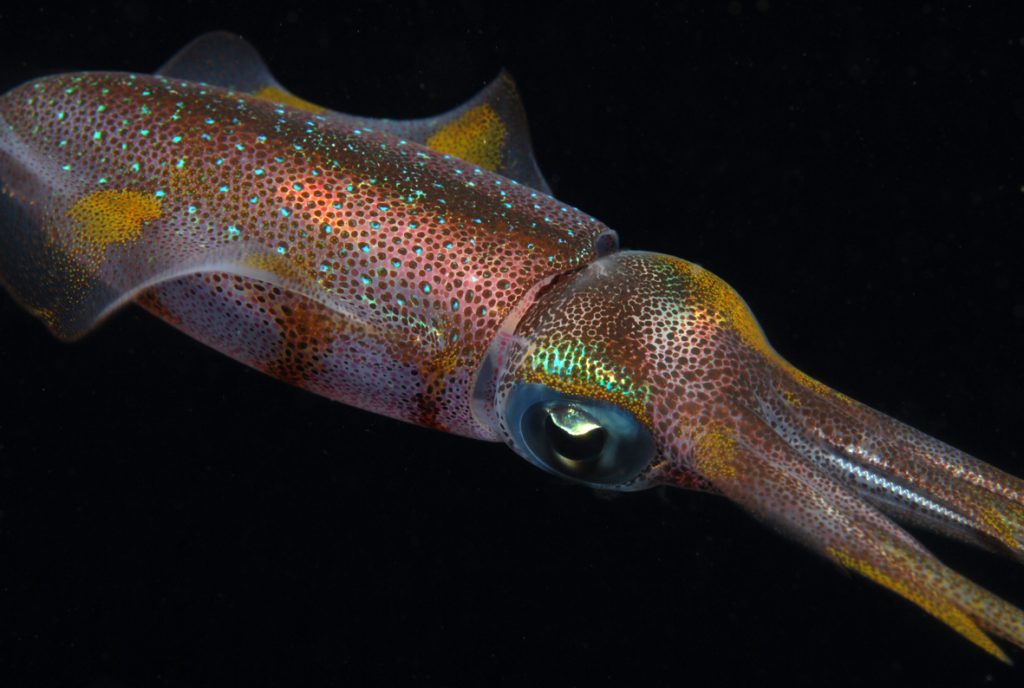
Currently, things are somewhat fluid on the island as it recovers from a devastating hit courtesy of Hurricane Maria in 2017. During our visit, we enjoyed great dives at sites such as Swiss Cheese and even managed a dive on the normally rougher “Atlantic side”. II especially remembered the volcanic bubbles at the Champagne site, and a great night dive where we enjoyed an extended encounter with an Arrow Squid. Dominica is also renowned for whale watching, where there’s a resident population of Sperm Whales a few miles offshore.
Hopefully, as infrastructure is rebuilt, more things will become possible there again.
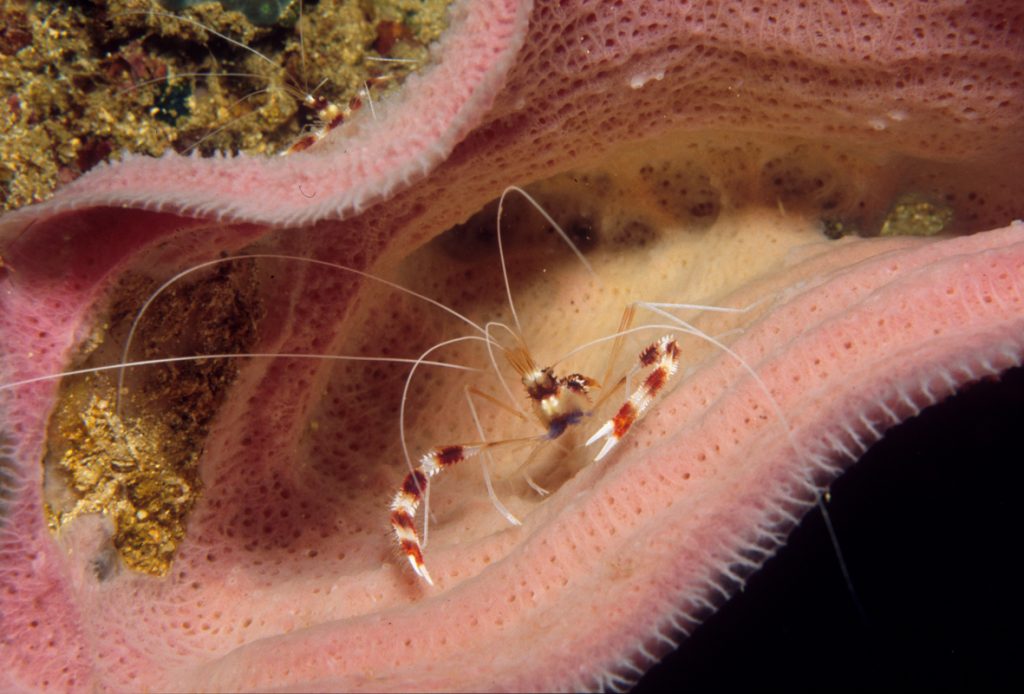
BONAIRE
Down in the south, just north of Venezuela is the island of Bonaire, which is very popular for diving. As the island has a Dutch colonial heritage, the easiest way to travel there is via Amsterdam, though you could also do it through the USA.
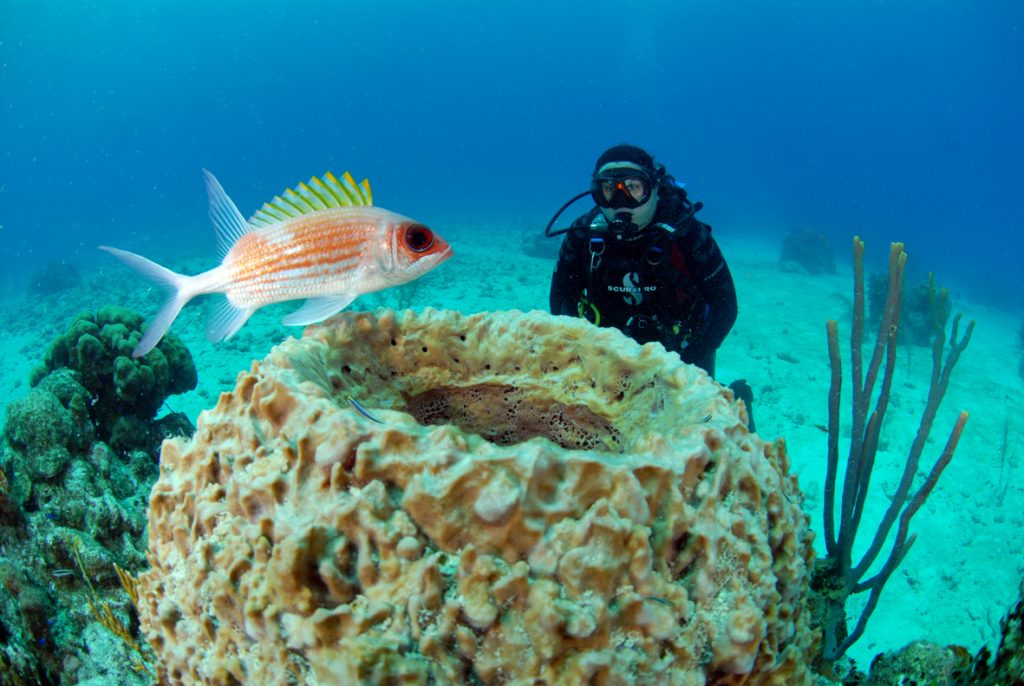
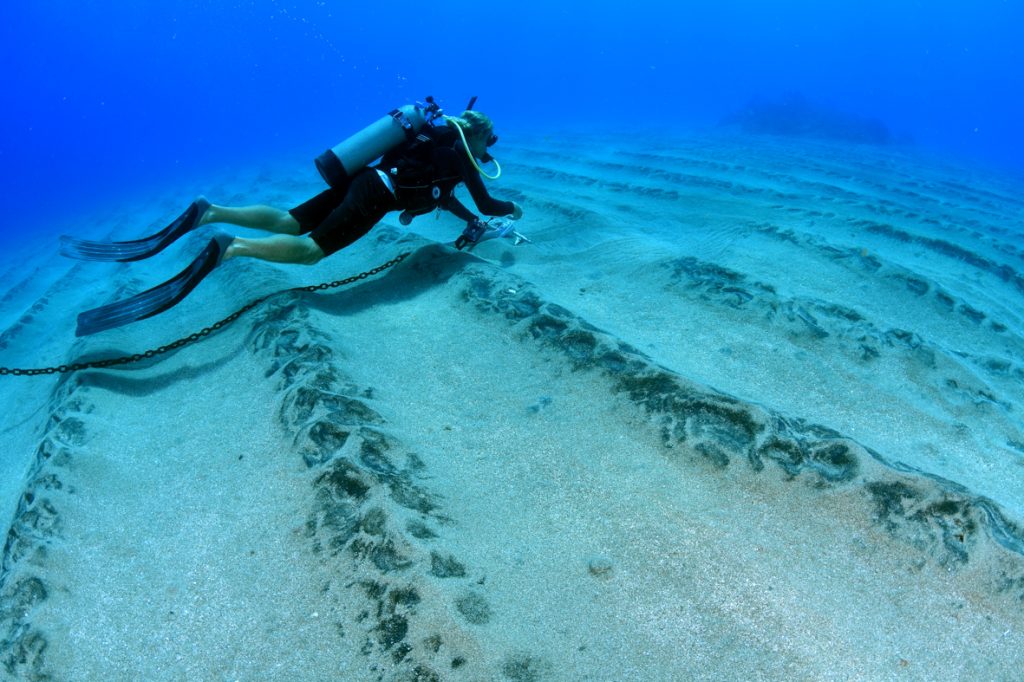
Bonaire’s dive resorts are known for their “diving freedom” in that divers can shore dive on resort house reefs at any time of day or night provided they’ve logged out at the dive centre. Several years back, we enjoyed two visits to Bonaire and enjoyed back to back days of “eat, dive, sleep, repeat”.
As well as boat dives, there’s also a big culture of shore diving, where buddies can hire a vehicle and drive to a site of their choice. Most diving tends to happen on the sheltered west side of Bonaire and Klein Bonaire (a nearby island), but if the weather allows there’s good diving on the more rugged Atlantic side. For “wreckies”, the Hilma Hooker is very worthwhile.
USA – THE FLORIDA KEYS & DRY TORTUGAS
Though officially “Atlantic” (Florida Keys) and “Gulf of Mexico” (Dry Tortugas) respectively, the diving in these areas are very much “Caribbean” in terms of vibe.
Florida is a major tourist destination, so there’s a big choice to flights from the UK to cities such as Orlando, Sanford, Tampa and Miami, with the latter being closest geographically to the Florida Keys.
We enjoyed some really good dives in the John Pennekamp Coral Reef State Park based out of Key Largo where it’s possible to dive good reefs and also wrecks such as the impressive Spiegel Grove. There’s also decent diving all the way down the Florida Keys, with Looe Key National Marine Sanctuary being an area especially worthy of a visit.
For those wanting to get “off the tourist trail”, a visit to the Dry Tortugas might be for you. You can take a small seaplane flight over from Key West and spend a few hours on the improbable Fort Jefferson, but if you want to dive the area (which is a National Park), options are more limited. We were fortunate enough to do it some years ago, on a liveaboard called the Ultimate Getaway that operates out of Fort Myers Beach on the Gulf Coast of Florida. It still operates, though you need to be careful that you don’t end up on a spearfishing trip, unless that’s your thing.
OFF THE GRID
It’s certainly possible to go “off the grid” in the Caribbean, and away from the mainstream.
We enjoyed a fantastic version of this in a recent visit to Montserrat, where island life forever changed after the devastating eruption of the Soufriere Hills volcano, which started in 1995. Though the eruption has now ceased, thousands were forced to evacuate the island not to return.
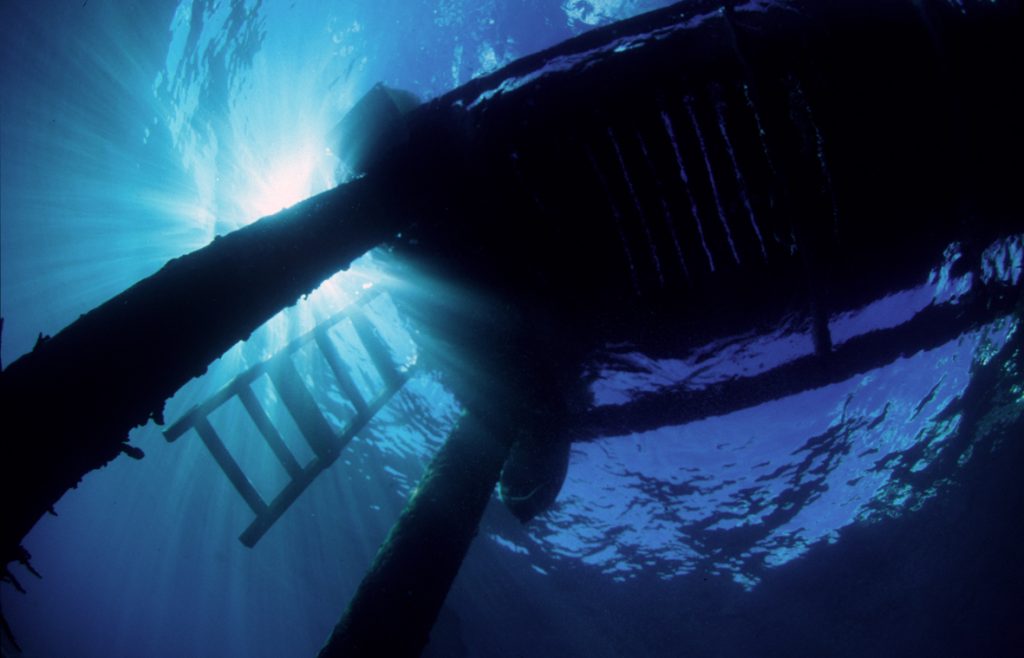
Montserrat can be reached by travelling via Antigua and is a very interesting and rewarding place to visit, with decent diving as well. We dived with Andrew from Scuba Montserrat and really enjoyed it – the highlight being The Bat Cave, a dive site where you can pop up inside a cave and see a large colony of bats above.
OTHER PLACES
There are, of course, many other destinations in the Caribbean that are worthy of touching upon.
Cuba, for example, has a lot of diving options these days, from day boats to liveaboards, with experiences such as diving with Cuban Crocodiles and Bull Sharks being possible. Mexico also offers good diving from resort areas such as Cancun, Playa Del Carmen and the island of Cozumel.
Out amongst the island chains, you’ve got attractive destinations such as St.Vincent and the Virgin Islands group to tempt divers. For drift diving and the chance of Manta Rays and other pelagic encounters, there’s Trinidad & Tobago, down in the south east corner of the Caribbean.
I also wonder about the diving possibilities in areas such as Columbia, Nicaragua and Haiti – perhaps there’s some intrepid dive operators setting up there too. They would be interesting to visit, for sure.