
Text by Jeremy Cuff/www.ja-universe.com
Photography by Jeremy & Amanda Cuff/www.ja-universe.com
The eastern Caribbean island of Dominica is a great destination for reef diving at its very best. It’s also friendly, unspoilt and extremely relaxing…
The island of Dominica is a refreshingly different destination from many others in the Caribbean and should not be confused with its more widely known namesake the Dominican Republic.
Dominica (pronounced Dom-in-eeka) is an attractive island, mountainous and green, and volcanic in origin. It has a relatively small population and retains around two thirds of its original forest– much of it now protected as national parks. And it isn’t part of the package holiday mainstream either. Instead, the island tends to attract nature enthusiasts, hikers, mountain bikers and, in increasing number, divers.
There are no direct flights to Dominica from Europe but it isn’t difficult to reach the island from some of the more populated “hub” islands such as Antigua, Barbados, Puerto Rico or Guadeloupe. We came in via Antigua from where the flight takes about half an hour.
There is, of course, a very good reason why divers are visiting Dominica in greater numbers. The secret, it would appear, is now well and truly out that diving around the island is some of the best offered in the entire Caribbean and is a good example of what the reef systems surrounding the more developed islands might have once looked like.
We chose the Castle Comfort Dive Lodge for our stay, which proved to be an excellent choice. The rooms are clean and comfortable, the staff are extremely friendly, the food is good and the dive team are excellent with great knowledge of the area. Decent boats and good facilities round up the positive reasons for staying there. Also, it’s only a twenty-minute walk from central Roseau, the capital of Dominica.
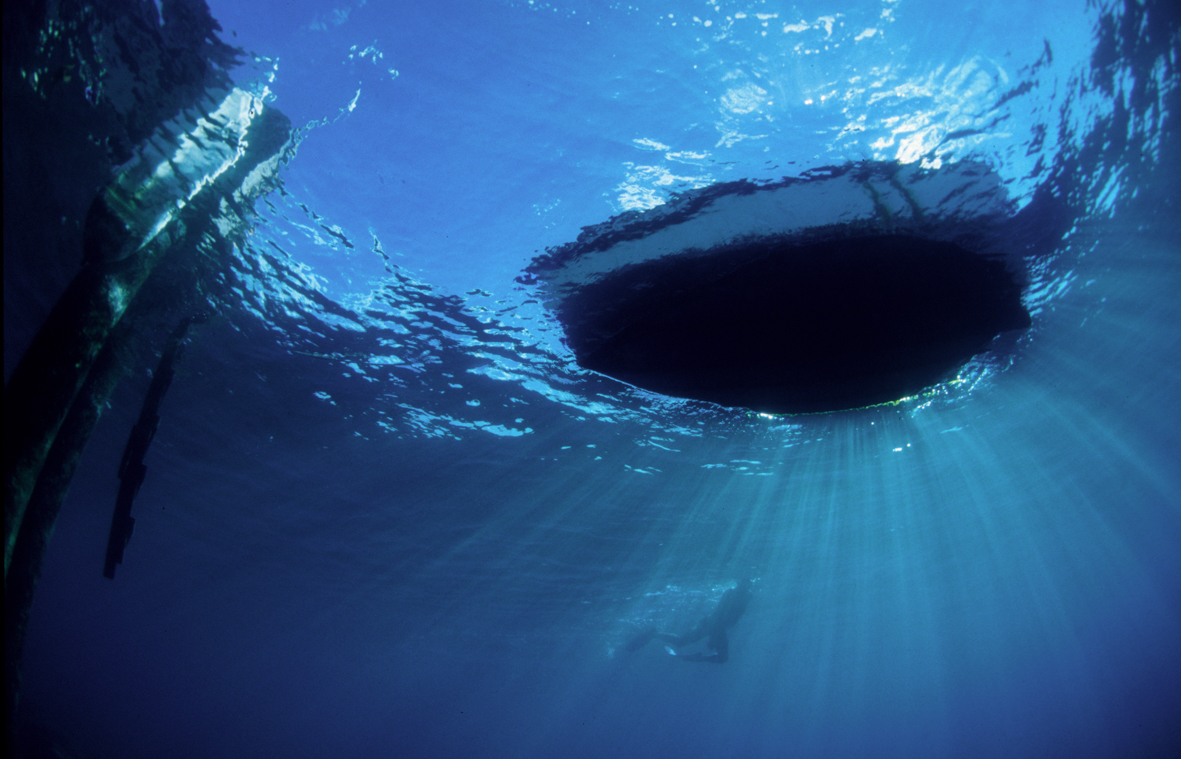
The normal format of the diving is for two boat dives a day, leaving at 08.45 am. The boat generally doesn’t return to shore between dives so it’s important to ensure that you’ve packed plenty of sunscreen for that mellow hour between dives! The Castle Comfort crew are also well used to dealing with the needs of underwater photographers and videographers with all boats equipped with camera rinses.
The vast majority of the diving is confined to the sheltered Caribbean side of the island, rather than the more unpredictable Atlantic side where the conditions are often unsuitable for dive boats. Only when the conditions are right can divers experience the Atlantic side, where the rewards are rarely dived pristine sites and an increased chance of sighting pelagics such as barracudas or the occasional shark and eagle ray.
The main diving area in the south west of the island, around Soufriere is an ancient crater, which is now protected as the Soufriere Scotts Head Marine Reserve. As if to remind us of Dominica’s recent geological past, volcanic bubbles still rise from the seabed close to the shore at the aptly named dive site Champagne.
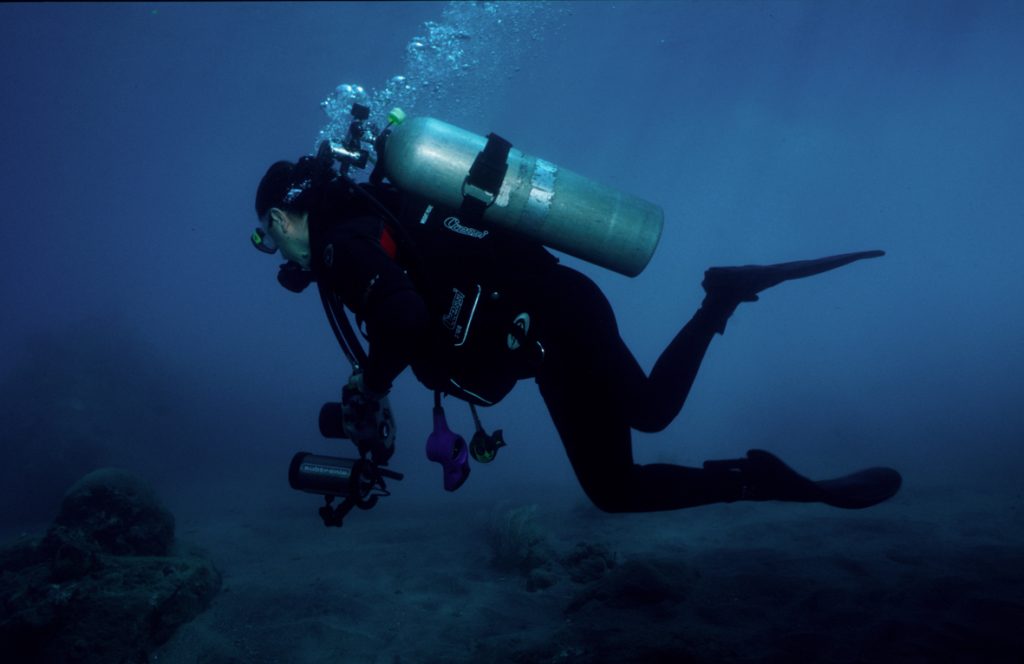
Good visibility and gentle currents are the norm around south west Dominica making the area suitable for most divers regardless of skill and experience levels. The slow paced style of diving practised by the Castle Comfort dive guides ensures that time can be spent spotting the innumerable critters that abound on the reefs without worrying about keeping up with the lead diver.
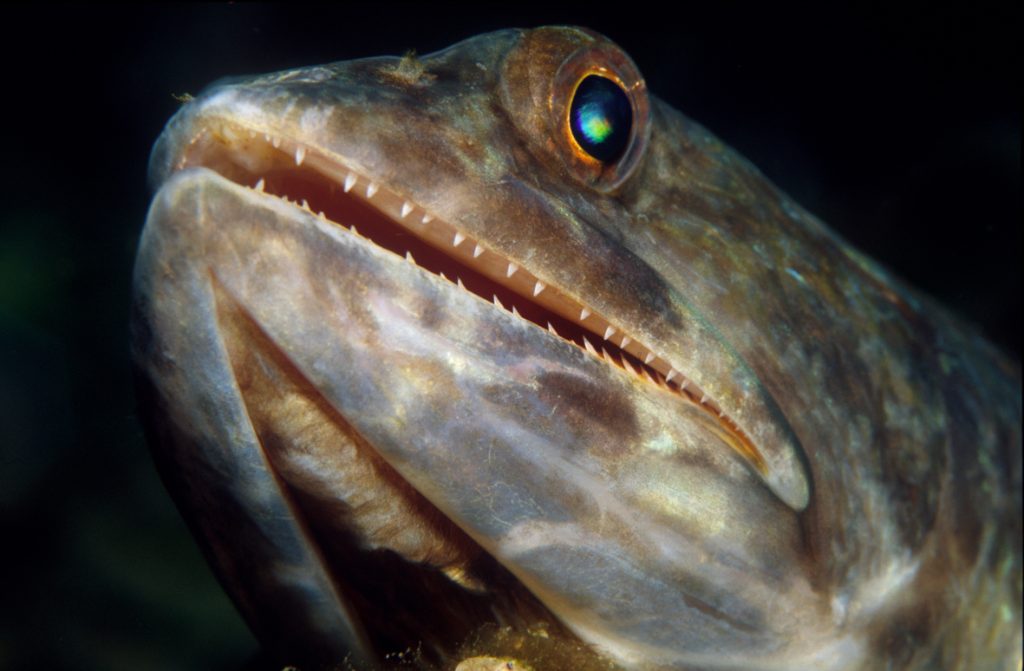
Although pelagics can be encountered anywhere around Dominica, especially on the Atlantic side, it’s the smaller reef inhabitants that make diving in Dominica a special experience. The reefs are literally teeming with life – during our visit we encountered reef critters ranging from the tiny Pederson’s cleaner shrimp to reef crabs, hermit crabs, arrow crabs, octopus, sea urchins, tunicates, fireworms, anemones and lobsters. Also, countless fish are seen on every dive and include moray eels, filefish, cowfish, lizardfish, snappers and spotted snake eels.
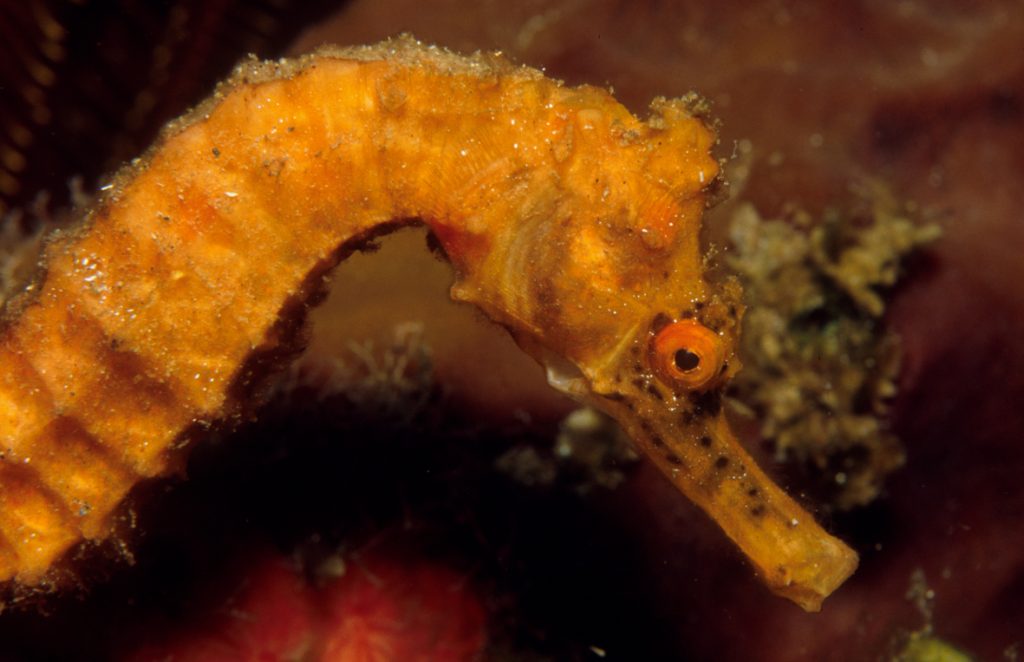
Sedentary fish such as scorpionfish and flounders are also fairly easy to find at most dive sites but seahorses can present more of a problem. Luckily, the dive guides will usually know the whereabouts of at least two or three. We were also told that a pair of seahorses could be found living close to the shore at Castle Comfort, although we couldn’t find them, try as we might! Dominica’s frogfish also remained elusive, having made what is hoped is a temporary disappearance from the reefs.
Hugely impressive tube and barrel sponges, crinoids, gorgonians and many other species of coral provide inspiring seascapes for the visiting diver. Some dive sites also feature interesting caves and swim throughs that are worth investigation. Swiss Cheese is as the name suggests and is riddled with gullies, holes and swim throughs that are full of soldierfish. Pointe Guignard is another good site and has a small cave that is home to large numbers of spotted lobsters – I counted at least fifteen and there are probably many more!
The sandy areas are also worth a look and are far from the “underwater deserts” that some divers may perceive them to be. Flounders, jawfish, garden eels, flying gurnards and even stingrays are fairly common here.
Turtles are encountered frequently inside the Soufriere Scotts Head Marine Reserve and can often be spotted at the surface from the dive boat. Of the types of fish not already mentioned, pufferfish, cornetfish, parrotfish, angelfish, damselfish, coney, gobies, and jacks round up some of the species commonly found on the reefs.
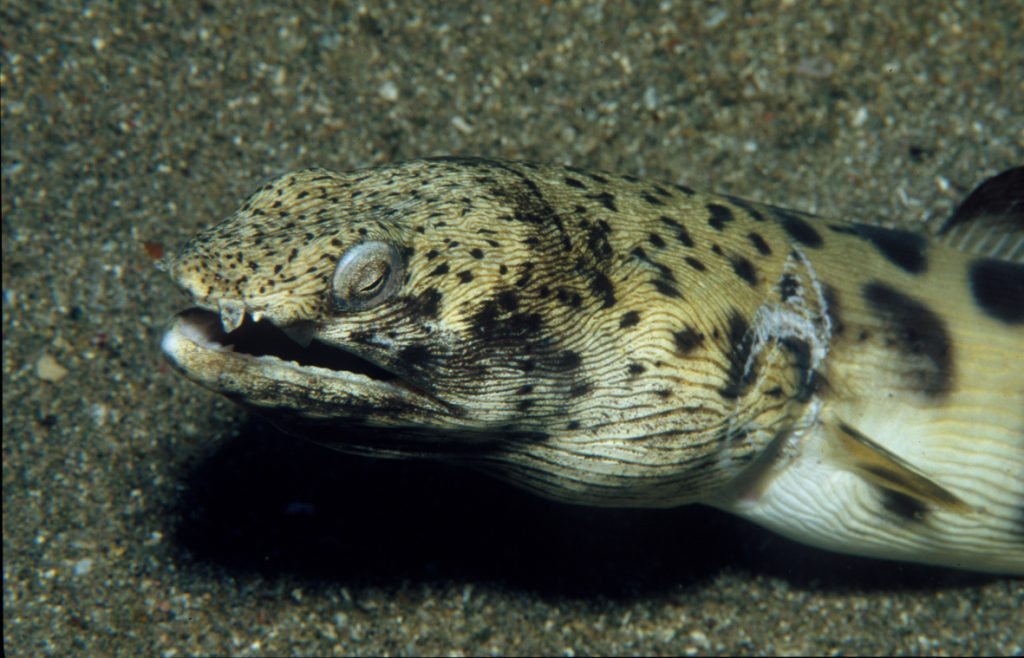
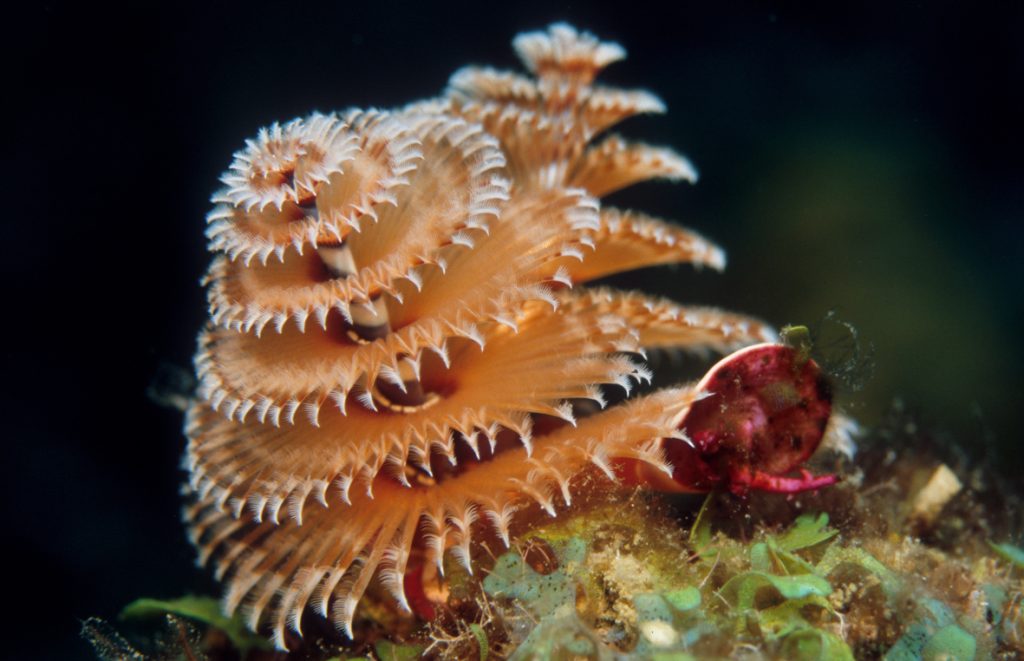
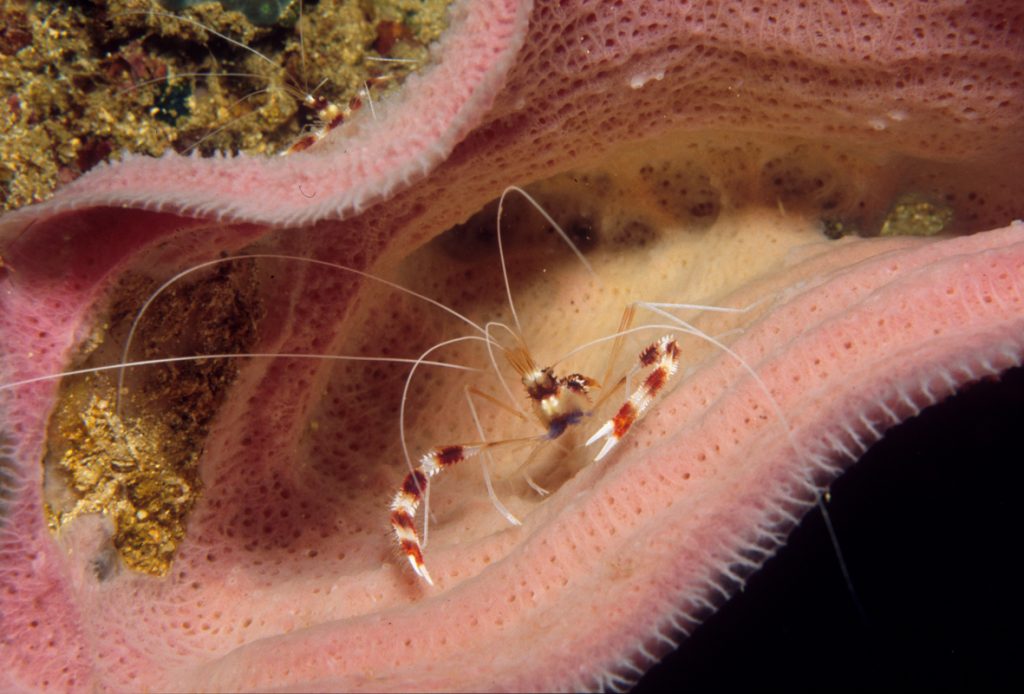
Night dives can spring all kinds of surprises. We enjoyed an excellent night dive on the reef around Champagne encountering free-swimming morays, lobsters, shrimps and the real highlights – a Caribbean reef squid and an electric ray.
Good shore diving is also available from the Castle Comfort Dive Lodge for those who want to dive more than twice a day. The small jetty provides shelter to some large cornetfish specimens, whereas further out in deeper water, many other species can also be found, including a rare species of batfish.
For those interested in the wider travelling possibilities of Dominica, the “topside” also has plenty to keep the visitor interested. Still with a marine theme, there’s a population of sperm whales and dolphins that can often be sighted. Whale watching trips organised by the Castle Comfort team take visitors out to the action at least once a week and are often successful locating the sperm whales. Other species of whales are also encountered regularly around Dominica including False Killer, Pilot and even Humpback Whales.
On the island itself, the forested hills and national parks offer excellent hiking trails and abundant wildlife for the nature lover. From a cultural perspective, the picturesque towns, villages and historical sites are also worth a visit. And, of course, don’t forget the friendly Dominicans themselves, with their delicious cuisine and interesting way of life – sure to keep the visitor happy and entertained.
Dominica has a lot to offer as a dive destination. It combines top notch reef diving and easy conditions with a friendly, relaxed and unhurried ambience. It really does have a lot to recommend it.